01Performance film2021
Messengers
Silent Spaces
 Let's talk

A reason to come back together.
JBN and Soumik Datta Arts. Performance films directed by Souvid Datta; documentary directed by Melanie Cura Daball.
Six performance films made inside the cultural spaces lockdown had left empty. A collaboration with Soumik Datta Arts, giving music, dance and difficult conversations somewhere to happen.
Create six performance films in cultural spaces closed by lockdown, with each venue shaping the music and performance. Bring the films together with the people and conversations behind them.
We wanted viewers to feel the possibility of making something together again, without losing sight of what had made the period difficult. A performance could offer release and still leave room for an uncomfortable question.
Lockdown closed the venues where artists worked and audiences met. Silent Spaces brought performers back into those empty buildings to make six films, each shaped by the place in which it was made.
Musician and composer Soumik Datta and filmmaker Souvid Datta developed the project with Soumik Datta Arts. Music and dance would give artists a way to work together again, and room to address the isolation and uncertainty of early 2021.
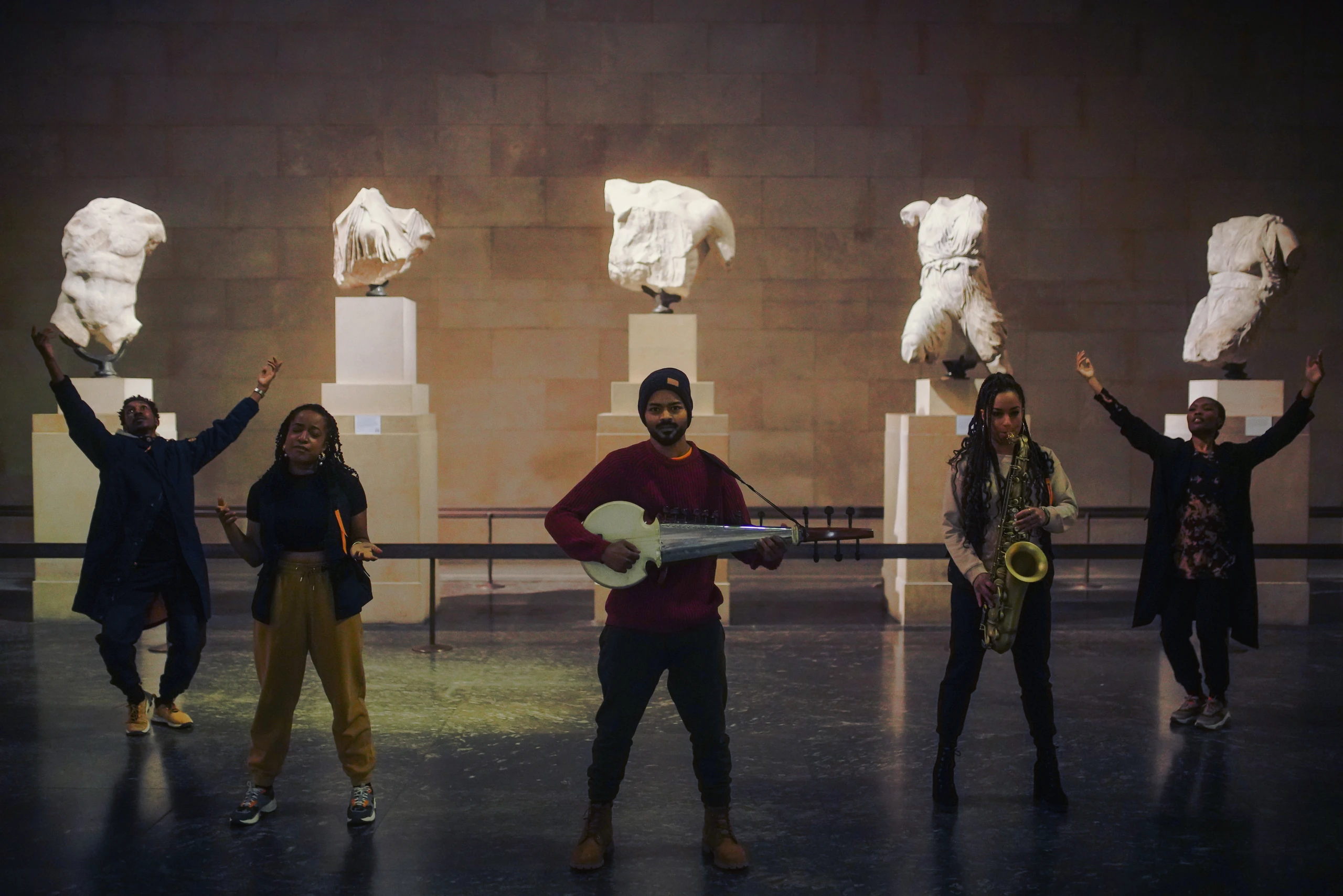
Each location helped determine the film's subject. Messengers addressed racism and the immigrant experience inside the British Museum. Movement turned the empty industrial spaces of Depot Mayfield into a setting for dance after months of confinement. Fields of Hope took children and musicians into Hawkwood's forests and farmland.
Soumik's original compositions and Souvid's direction connected the six films. Each collaboration had its own performers and choreography, with the architecture and surroundings becoming part of the performance.
In Messengers, Soumik adapted words by Rabindranath Tagore into a song performed with Amahla. Saxophonist Yasmin Ogilvie joined dancer-choreographers Monique Jonas and Ihsaan de Banya in the galleries.
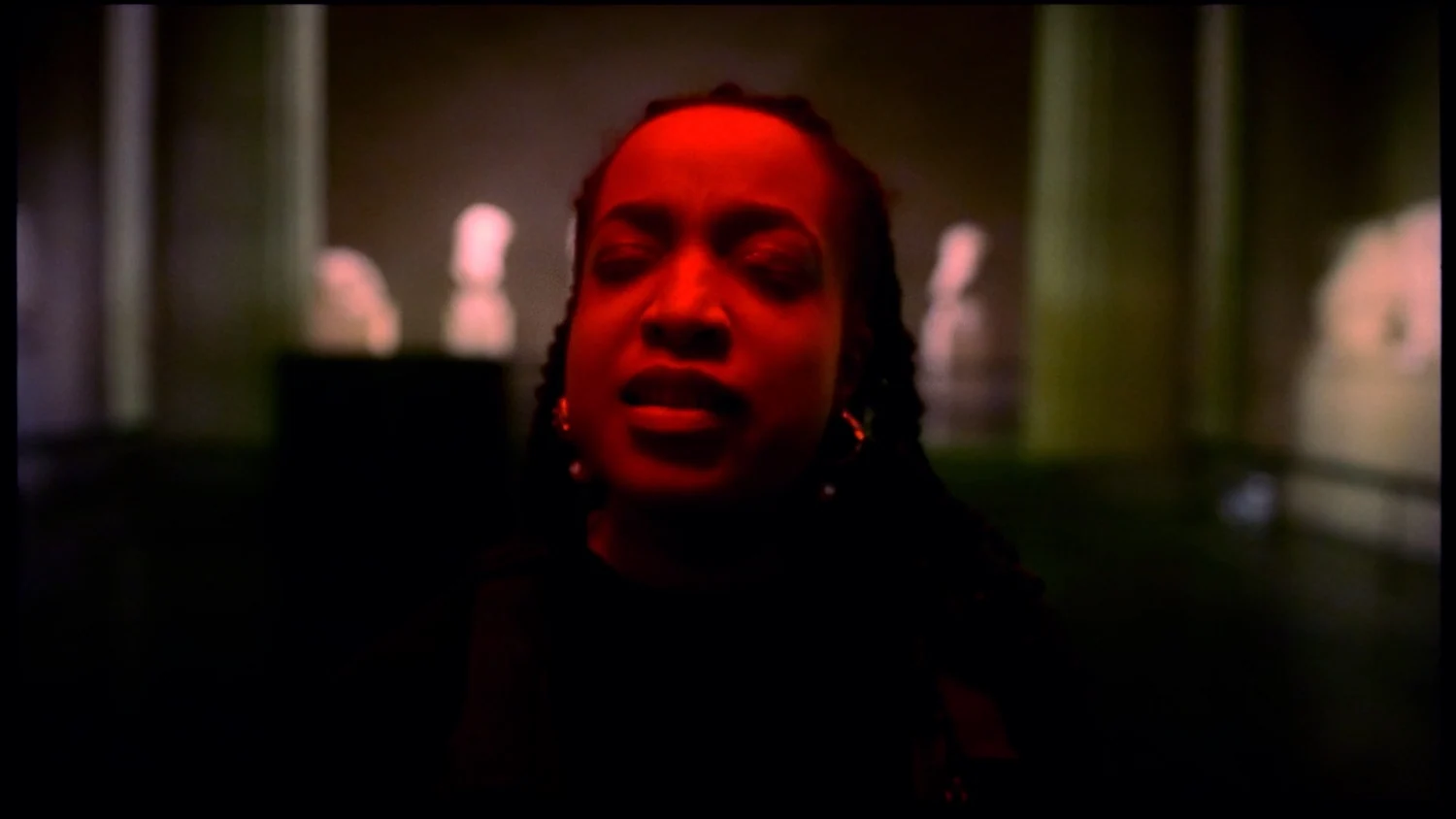
The film also made space for a more uncomfortable encounter. Soumik's spoken-word passage was filmed beside the bust of Hans Sloane. Its subjects included racism, complicity and the immigrant experience. The choice of setting put the museum's history inside the performance.
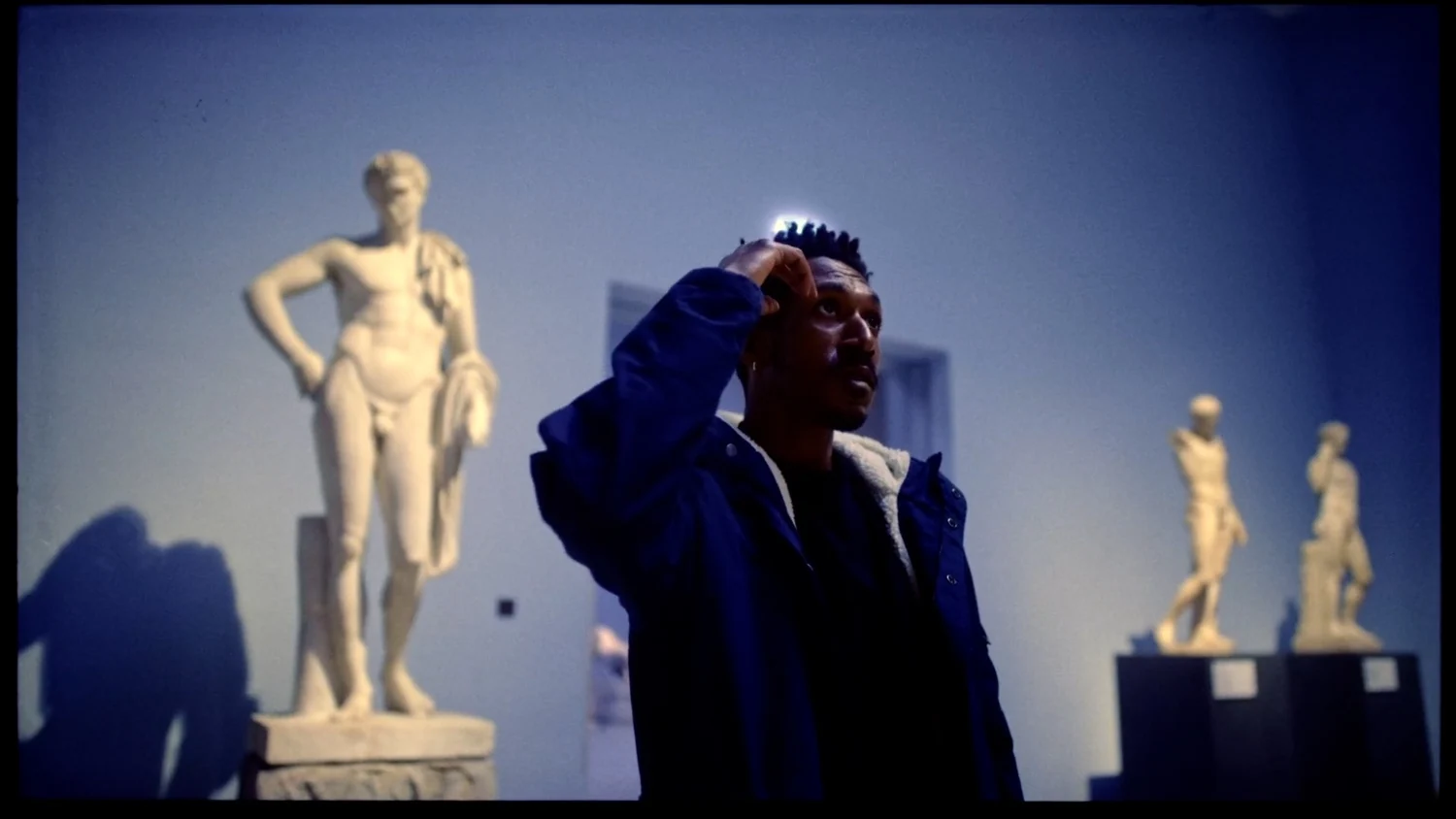
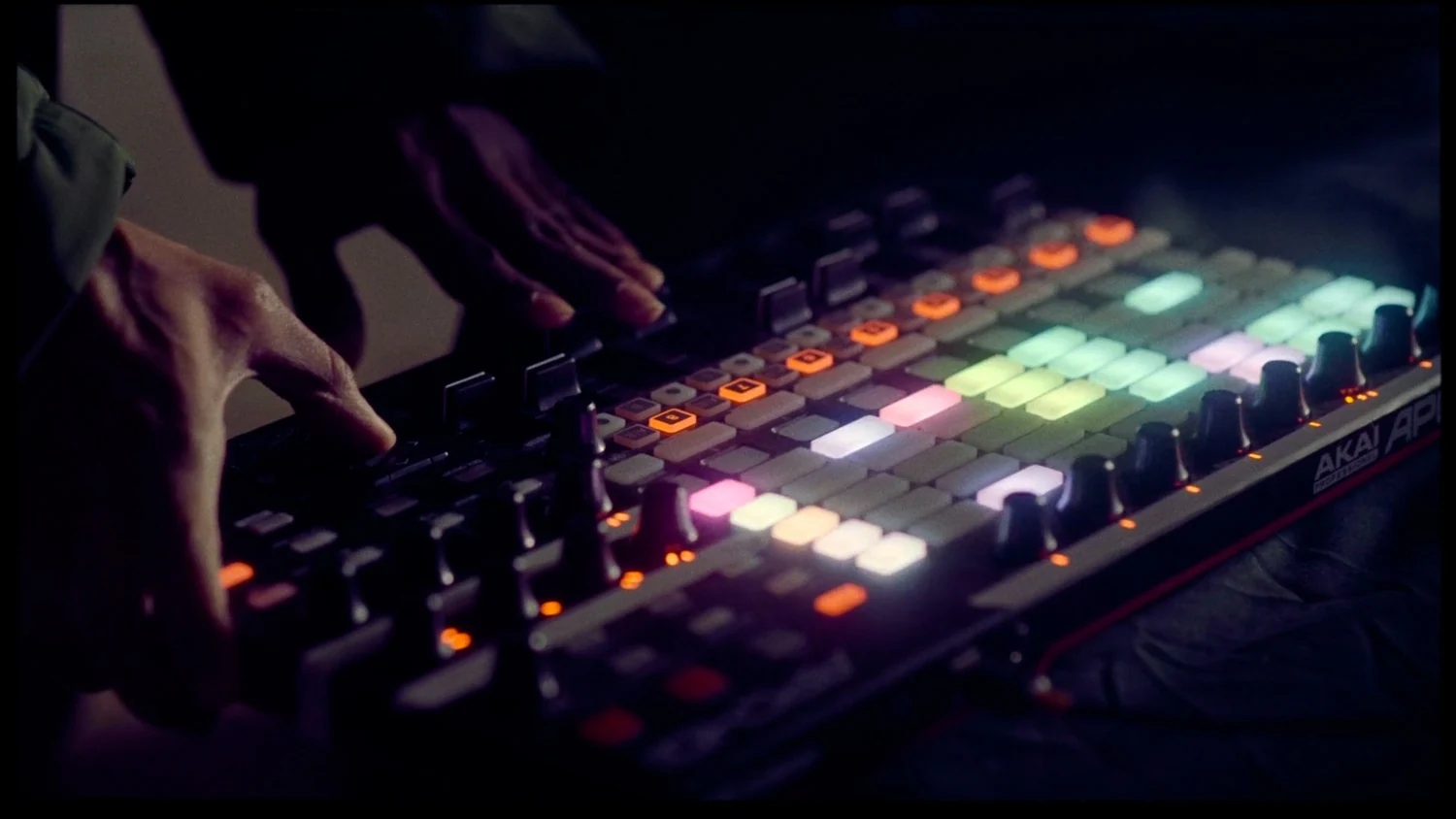
At Depot Mayfield in Manchester, the starting point was a sound small enough to overlook: drips recorded in the building. Soumik built those sounds into an electronic track. Six dancer-choreographers brought movement back into the vacant space.
The track connected the dancers to the building before the performance began. The camera could move between individual gestures and the scale of the empty hall, making room for the physical release at the centre of the film.

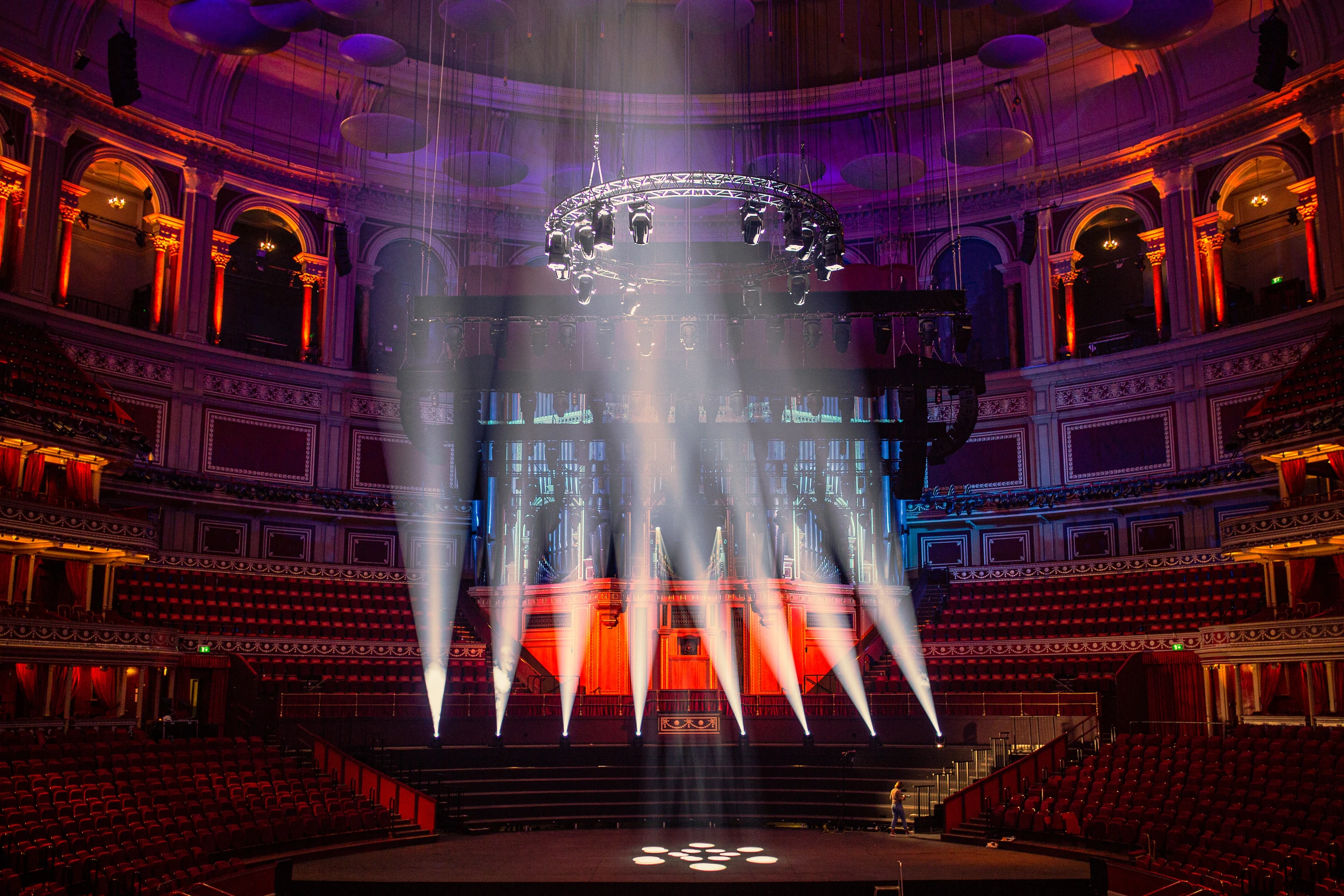
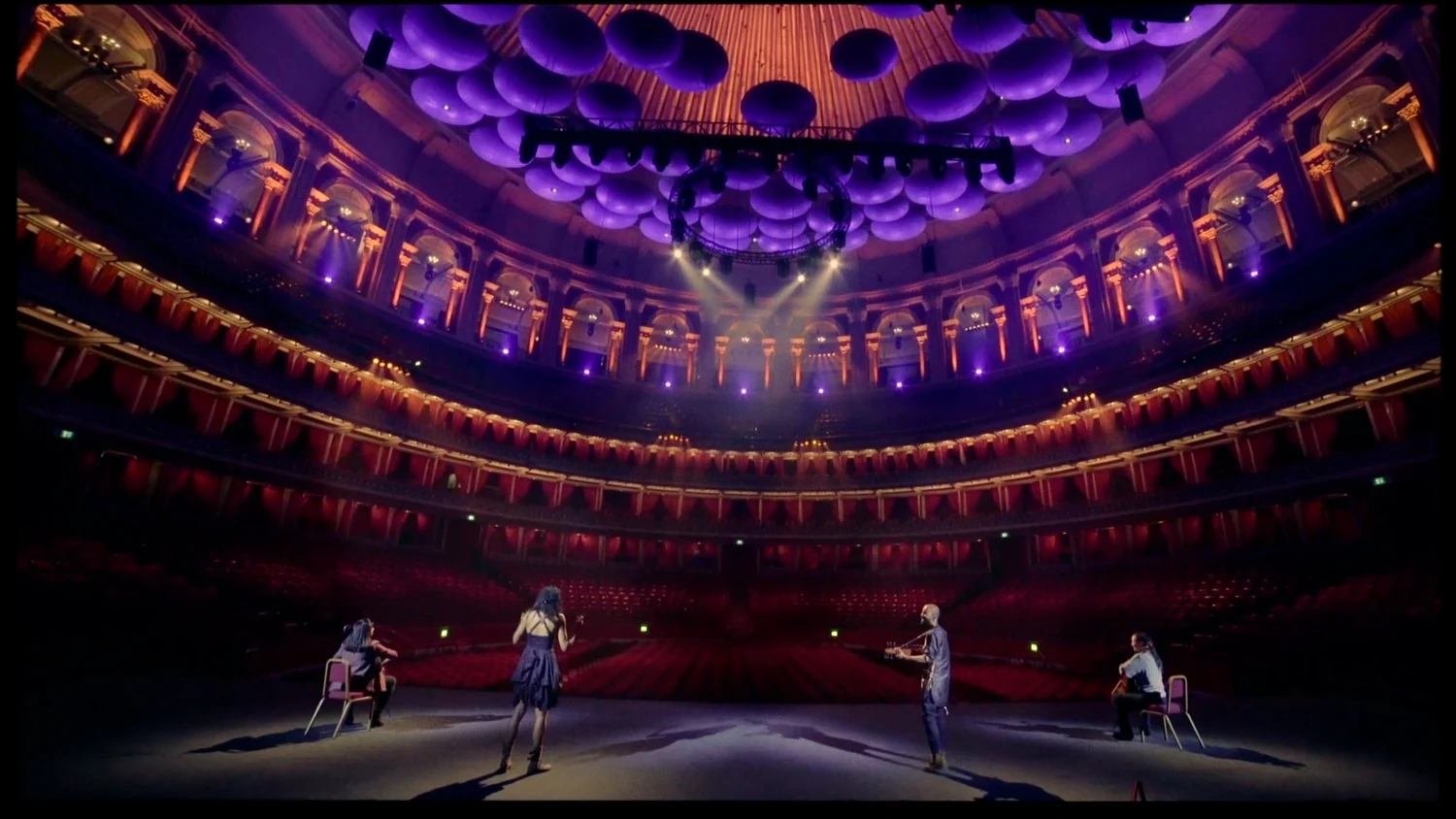
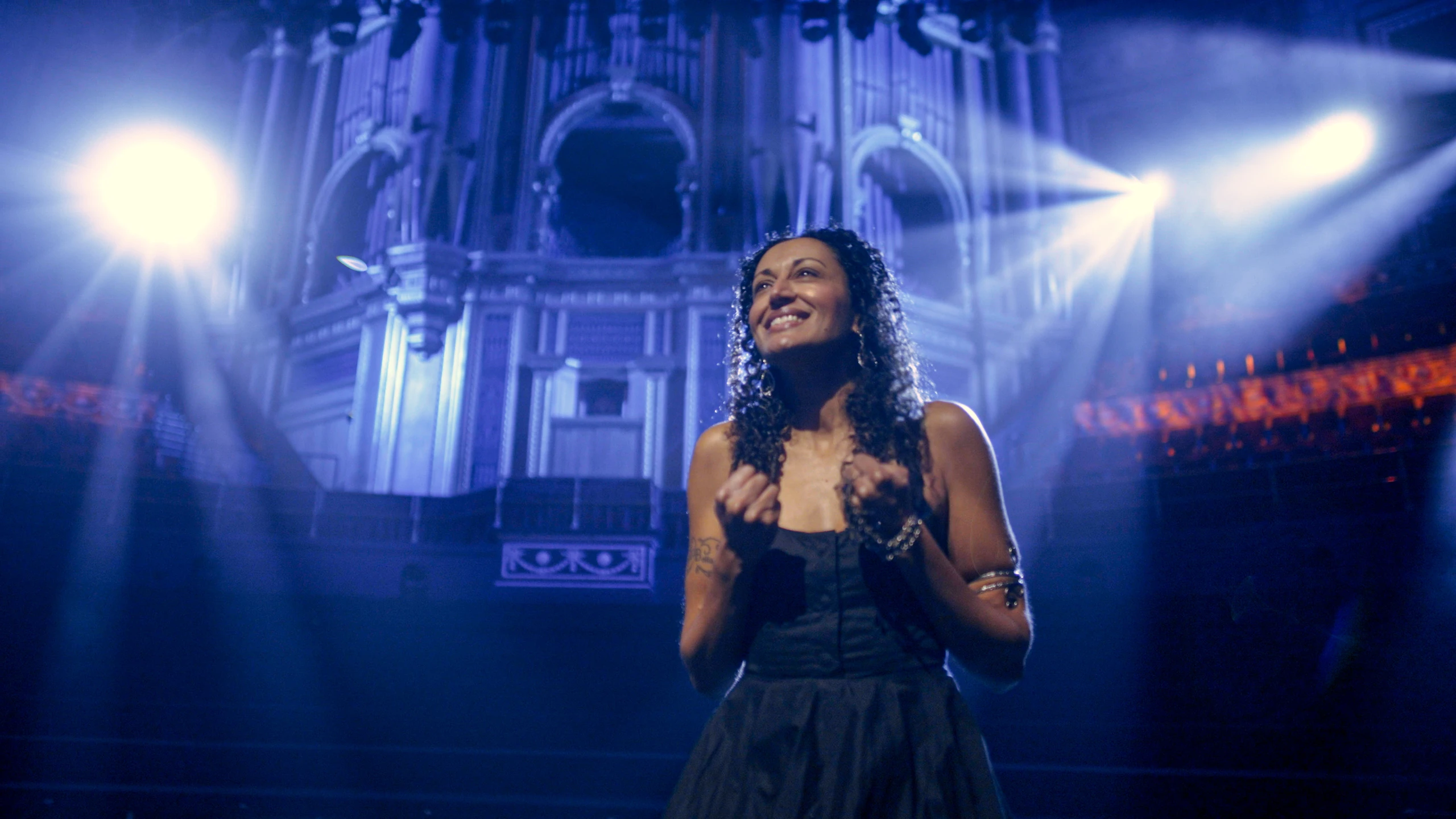
Empty Places took music and dance into the Royal Albert Hall during its 150th anniversary. Rosabella Gregory's vocals and string arrangement, cellists Meera Priyanka Raja and Midori Jaeger, and dancer Mithun Gill gave the empty hall a human scale. Monique Jonas and Mithun Gill choreographed the performance.
Fields of Hope then moved outside. Three siblings encountered musicians among Hawkwood's forests and farmland, with Ashnaa Sasikaran on vocals and Matthew Barley on cello. The shift in place changed the film's movement and its invitation: to look at the natural world with a child's attention.
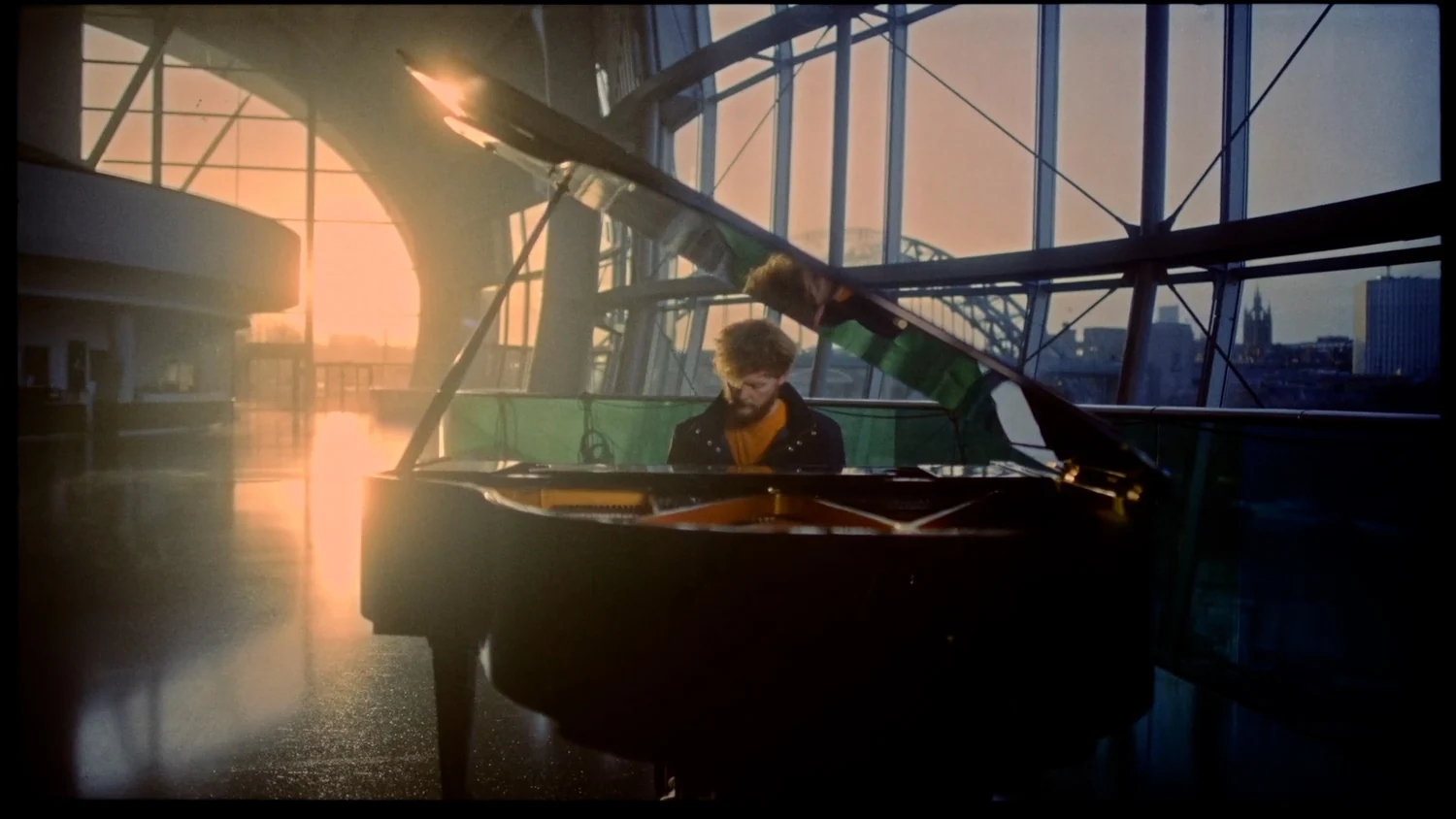
Angel Wings brought the series to Sage Gateshead. Ruth Patterson's voice and violin and Calum Howard's piano accompanied dancers Lila Naruse and Benedicta Valentina. Their reunion after isolation gave the film a clear emotional thread.
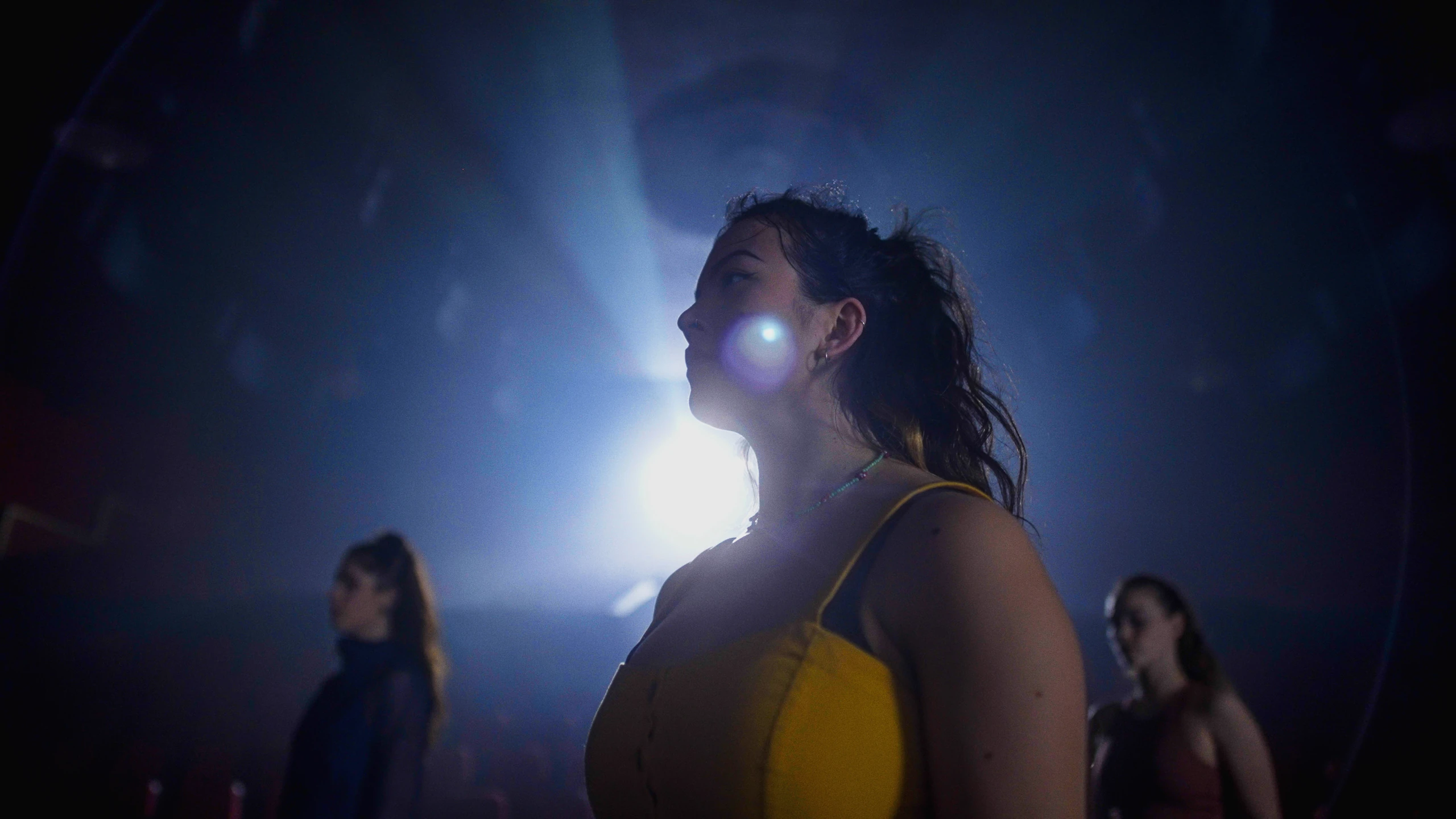
The final performance, Shadows, moved between King's Cross Station, The Lexington and Genesis Cinema. Soumik's sarod and spoken poetry met Yelfris Valdes's trumpet and John Falsetto's voice and body percussion. Dance and music carried a conversation about mental health into places people had been missing.

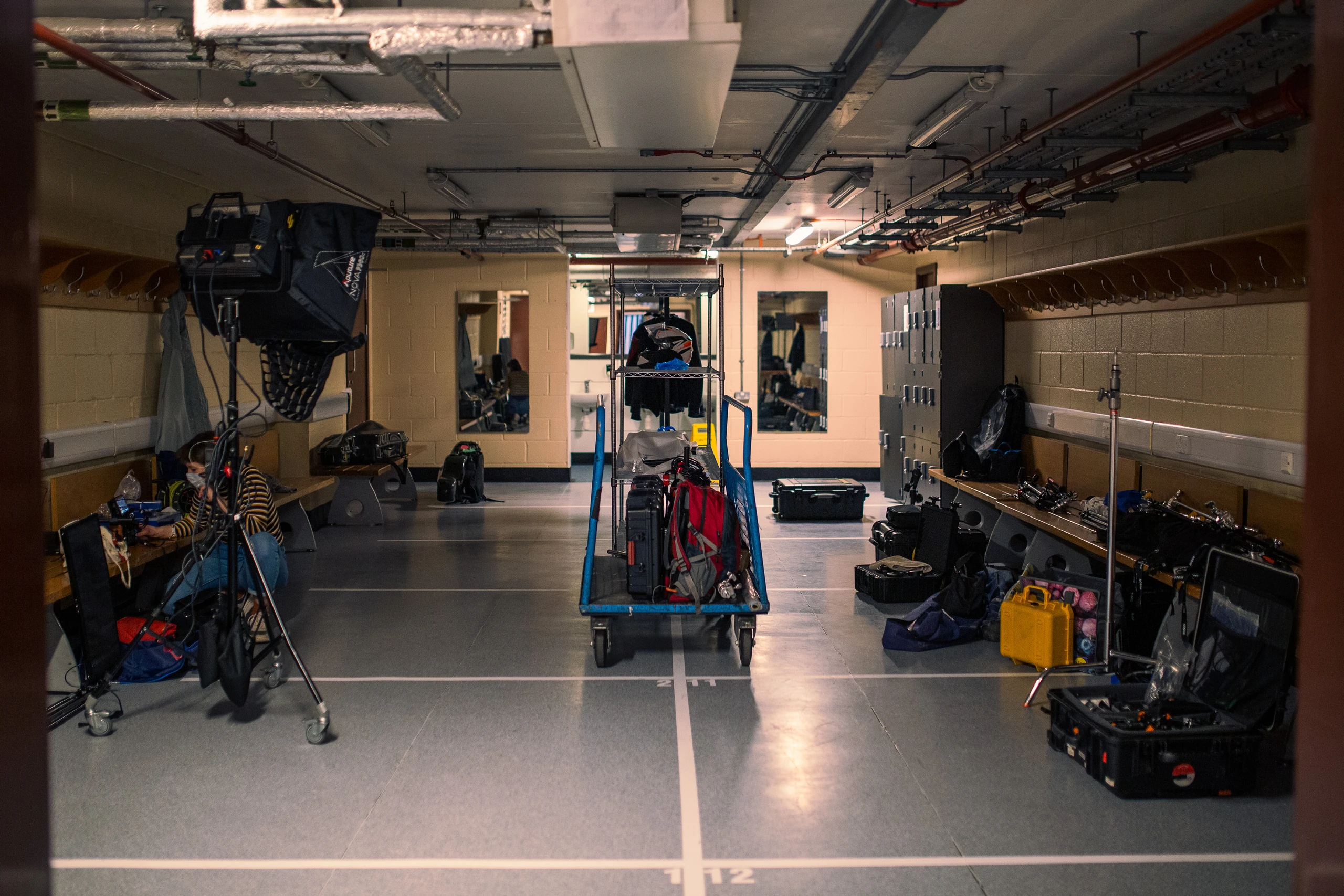
These were working productions inside a country still under restrictions. Across a twelve-week period in early 2021, producer Melanie Cura Daball and project manager Minal Mehta worked with Soumik and Souvid to organise Covid-secure shoots involving more than 40 cast and crew.
Venue partnerships and practical production support made access possible. Jerzy Gudjonsson contributed second camera and lighting, with Camilo Tirado mixing and mastering the music. The task was to bring a different group of performers into each environment while keeping the films connected as one series.
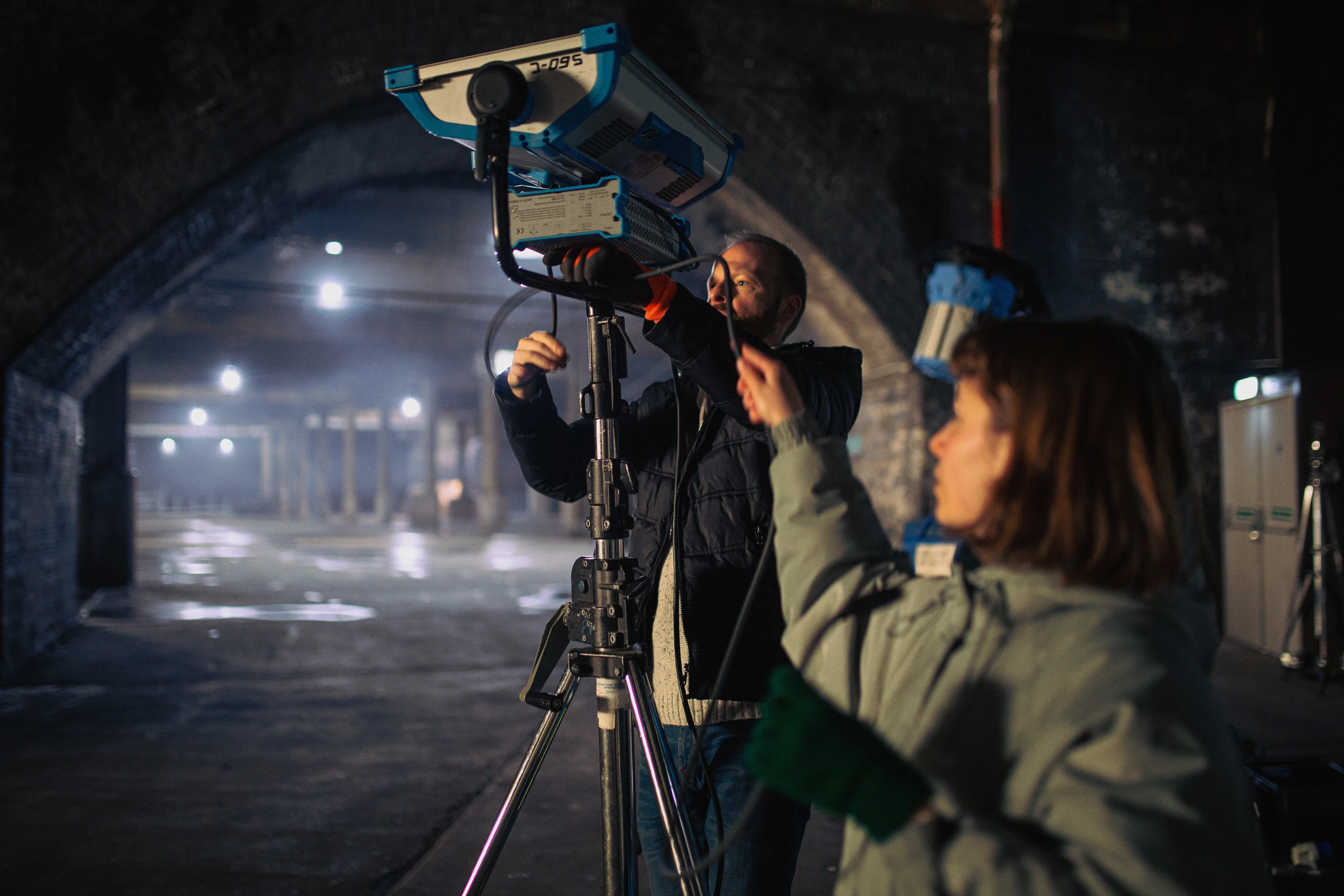
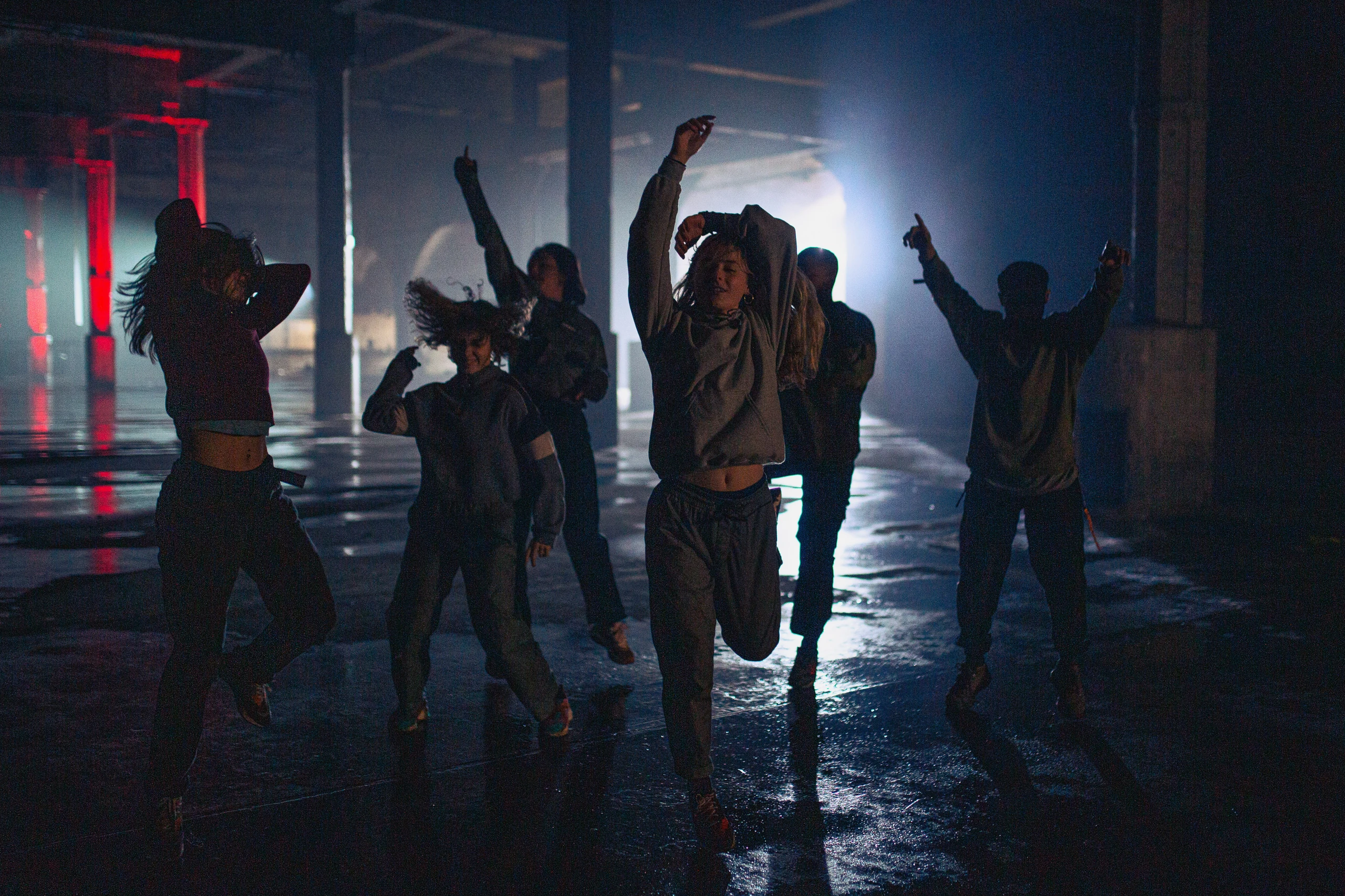
The six performances show what the artists made together. The accompanying documentary gives time to the people making it, as musicians and dancers return to spaces that had been closed to them.
Melanie Cura Daball directed the documentary, with Natalja Safronova as director of photography and sound design by Adam Woodhams. WePresent and Soumik Datta Arts co-produced it, with SDFilms as the credited production company.
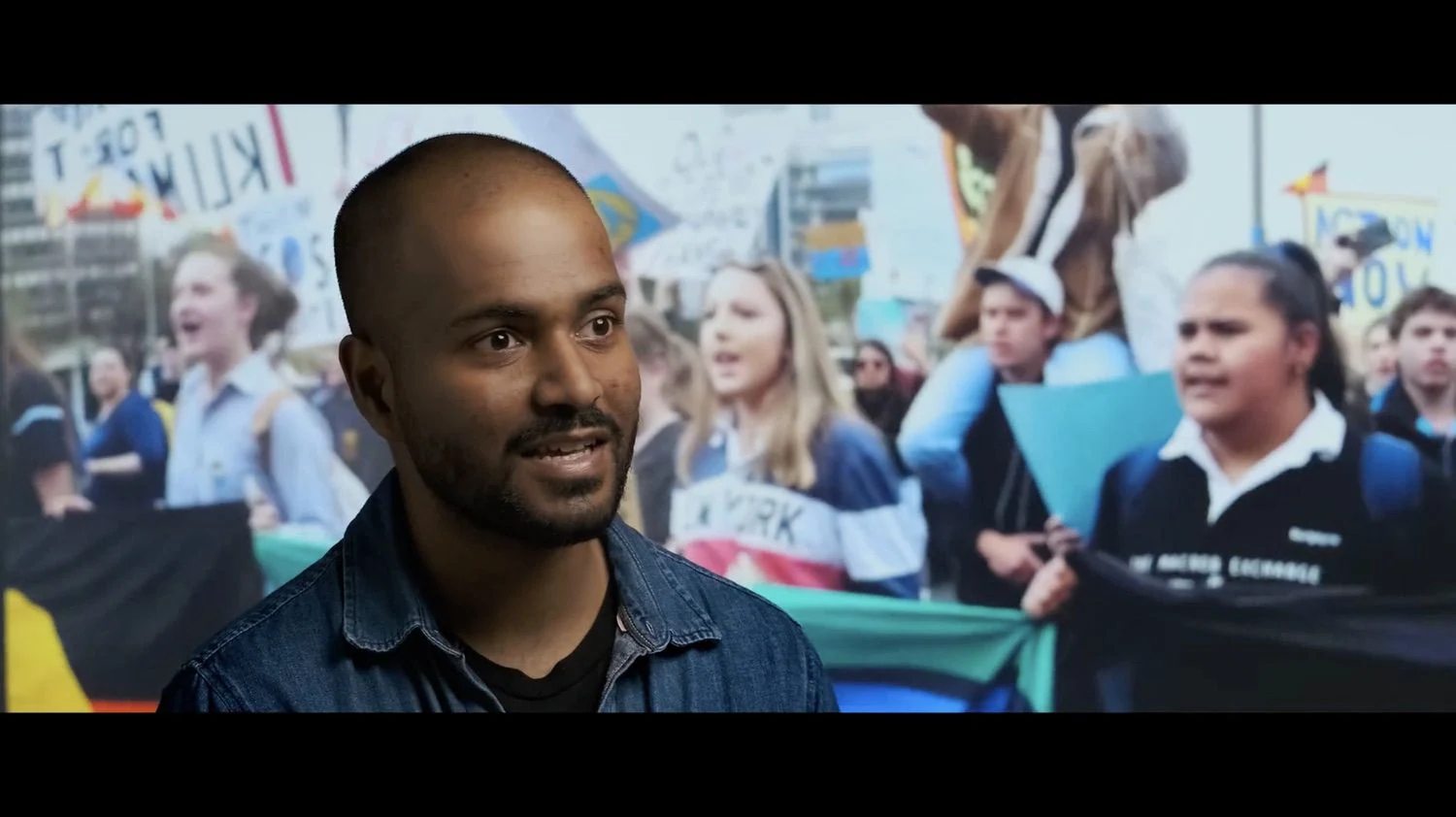 Watch the documentary14:14
The project also extended into an album and a radio documentary co-produced with BBC Radio 3. Each format offered another way into the music and the conversations behind it.
The performance series led into an accompanying documentary and related music and radio work. These formats had their own collaborators and release dates.
Directed by Souvid Datta, with original compositions by Soumik Datta, produced with Soumik Datta Arts.
Directed by Melanie Cura Daball; co-produced by WePresent and Soumik Datta Arts, with SDFilms credited as production company.
An album, a radio documentary co-produced with BBC Radio 3 and a digital home joining the films and the people behind them.
The films, with viewing options, selected frames and full credits.
Silent Spaces
Silent Spaces
Silent Spaces

Silent Spaces

Silent Spaces
Silent Spaces
Silent Spaces