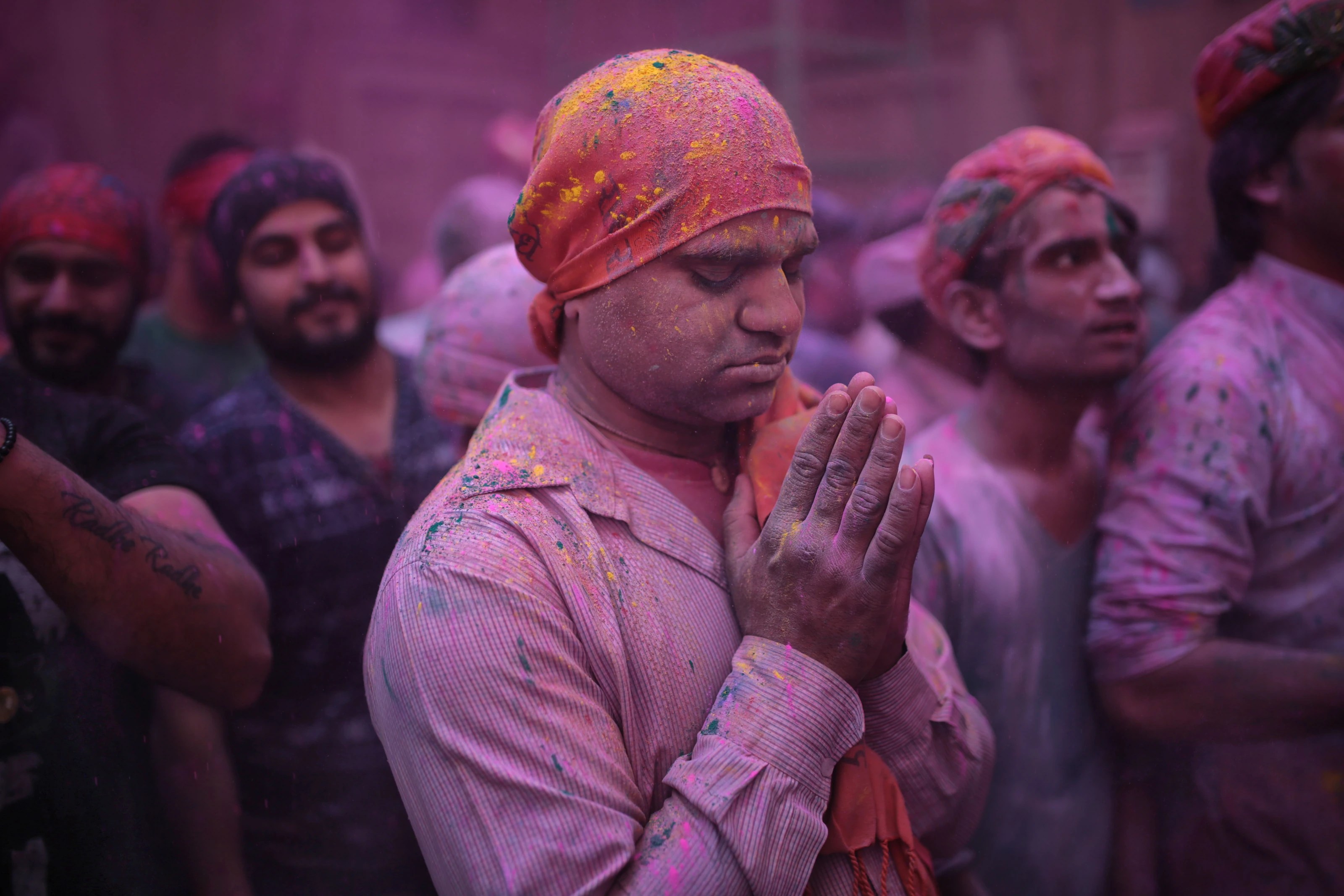
01Factual series2017
Lost Musicians of India
Tuning 2 You / Lost Musicians of India
 Let's talk
Let the music introduce you.
Founder work by Souvid Datta, writer and director, with Soumik Datta, co-director and creator. Produced by Sir David Green.
A six-part television journey with Soumik Datta, meeting musicians across India and making music together. Written, directed and filmed by Souvid Datta, with co-director and creator Soumik Datta.
Develop a television journey that introduces audiences to Indian folk and traditional music through the people making it, with Soumik Datta meeting musicians and collaborating in performance.
Bring viewers close to musicians whose work they may never have encountered, and let them feel the music as part of a person's life.
London-based musician Soumik Datta and filmmaker Souvid Datta returned to India to make a television series built around musical encounters. The premise put Soumik alongside the people making the music: listening to them, learning about their lives and joining them in performance.
Tuning 2 You: Lost Musicians of India became six half-hour films for Channel 4. Souvid wrote, directed and filmed the series, with Soumik as co-director and creator. Their different practices gave the journey its form - a musician entering a collaboration, and a filmmaker bringing the audience into that exchange.
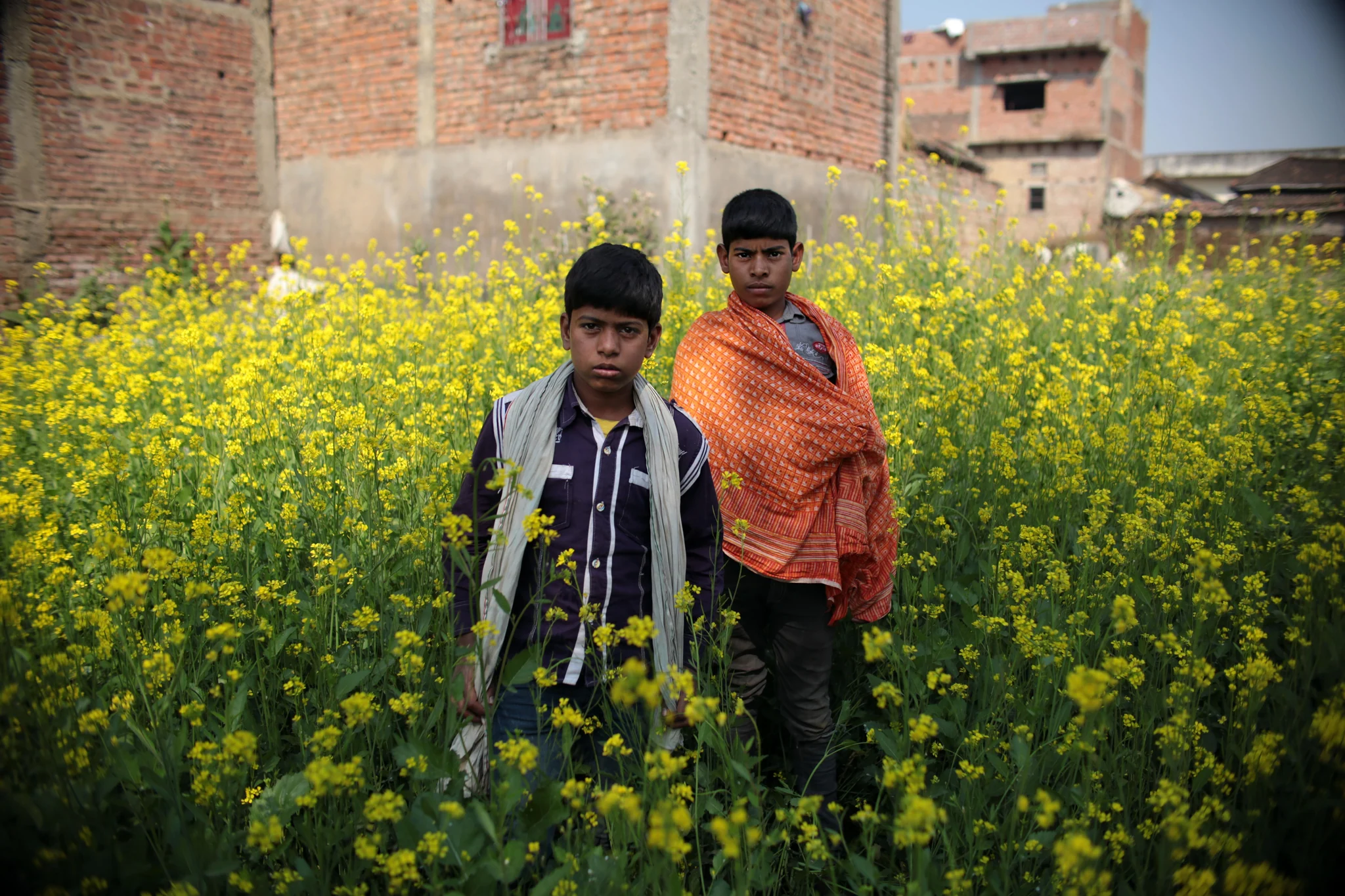
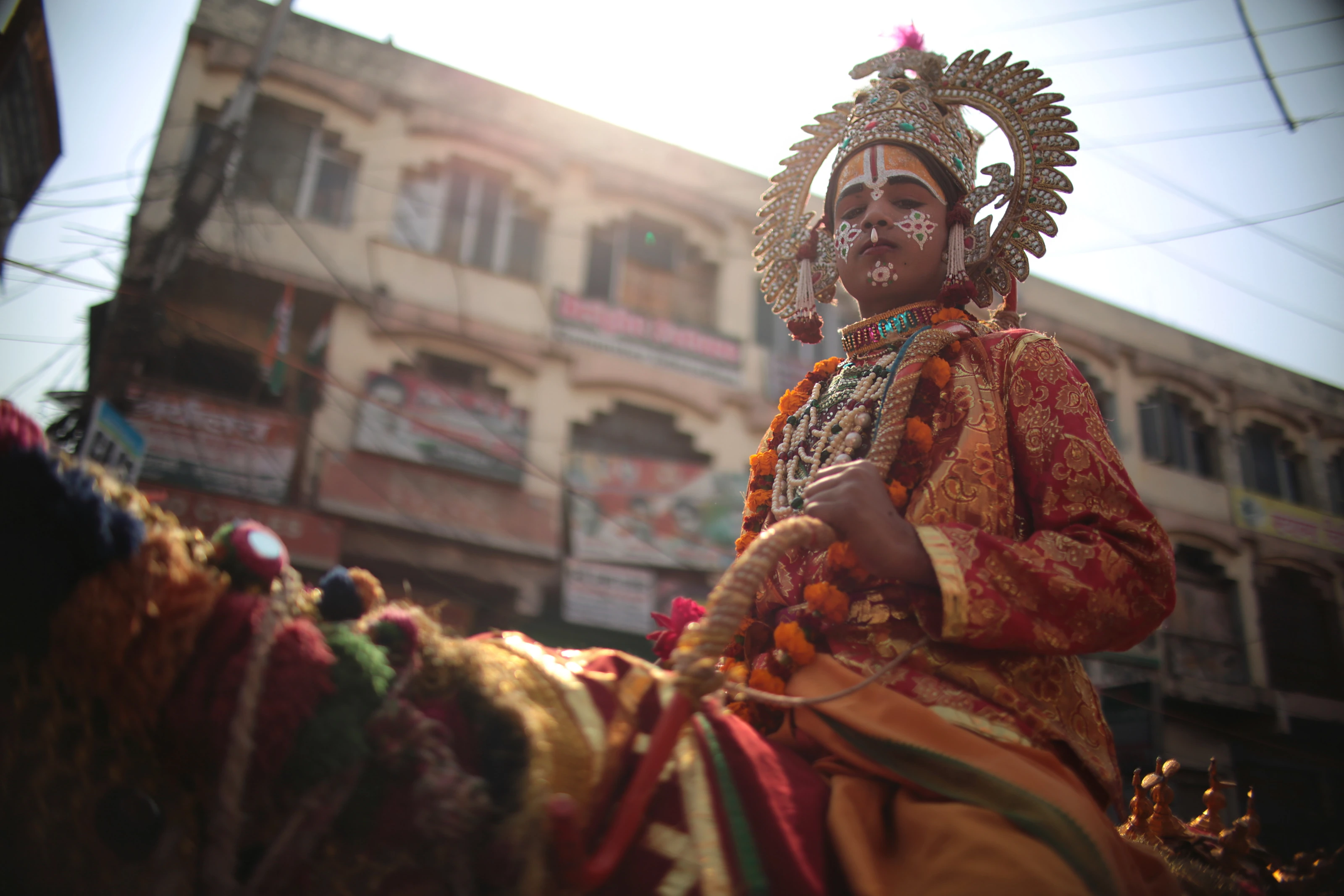
The films travel through Bengal, Rajasthan, Nagaland, Goa, Karnataka and Varanasi. Soumik provides a familiar presence as the people, landscape and music change around him. That recurring encounter makes a geographically broad series easy to follow.
The invitation is immediate: hear someone play, meet the person behind the sound, then hear what happens when musicians play together. The viewer can enter without specialist knowledge. Conversation and performance carry the detail, rather than requiring an explanation of every musical tradition before the journey can begin.
The journey brought the brothers into contact with more than 100 artists. Many were valued within their own communities but seldom heard by metropolitan audiences. The films went towards those musicians and the places where their work was already part of life.
The range included baul singers, qawwali and percussion. A fishing community's songs and a devotional performance carried different histories. Keeping people and their surroundings together in the film gave the audience a way to understand those differences.

In Goa, a young Fado singer was negotiating her relationship with Portuguese-Goan heritage and contemporary Indian identity. In Nagaland, a university-educated young woman had chosen to remain in her home village and help her father develop a community centre where younger people could learn about their culture.
These were people making choices about the future of their music and communities. Their stories complicated the assumption that younger generations would simply leave tradition behind.
An early encounter with a Jhumur singer in Bengal challenged the brothers' idea of musical success. His singing sat alongside his daily life and his relationships with local students. Making music had a value that did not depend on reaching a distant audience.
In Karnataka, dancers maintained their practice together while earning a living through other work. The films could spend time with what sustained a performance as well as the performance itself. Soumik's sarod gave these encounters a shared musical thread: he joined the artists, allowing viewers to hear them respond to one another.
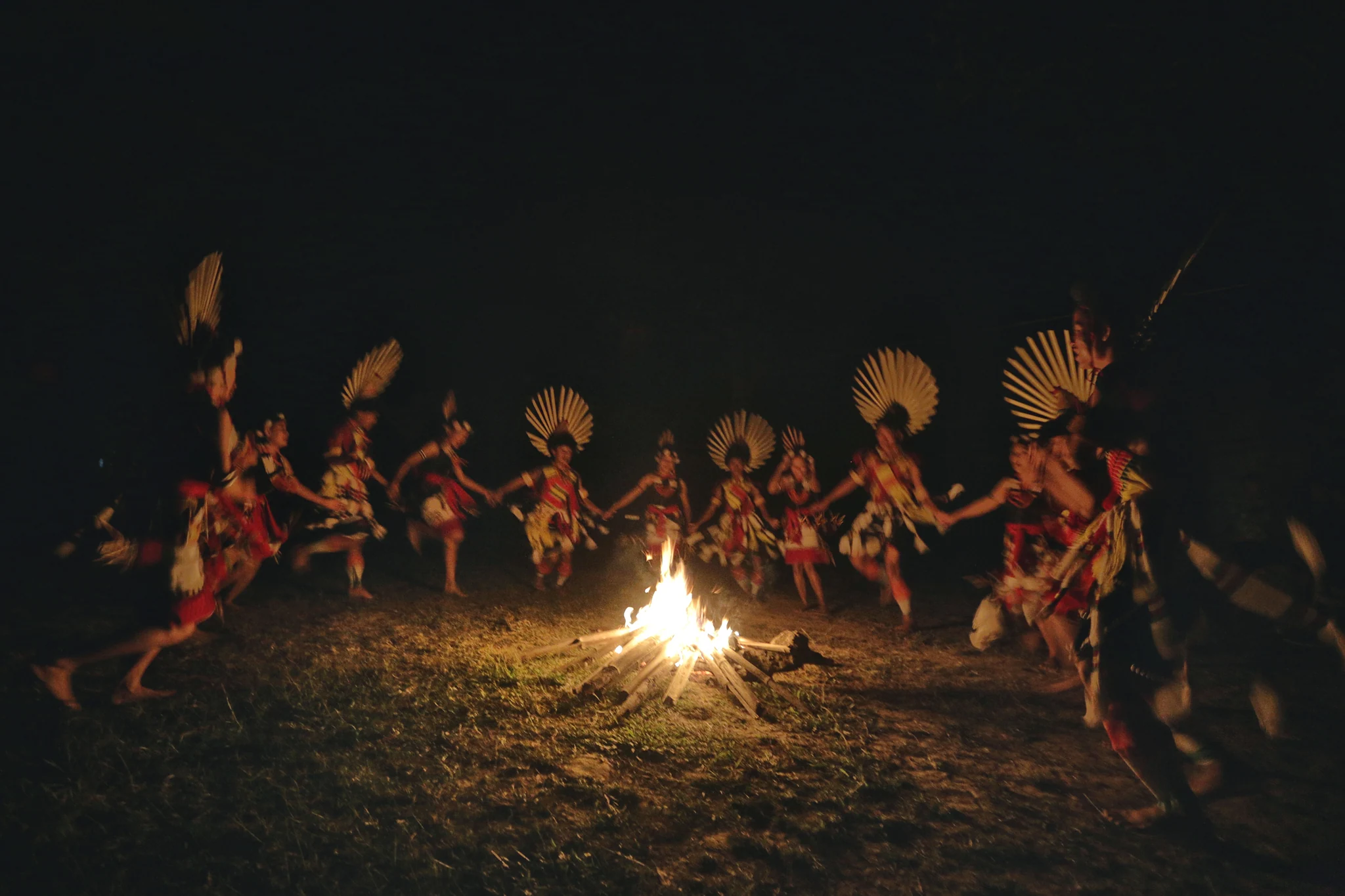
The production had to hold travel, conversation and live musical encounters within six half-hour programmes. Souvid combined writing and direction with the role of director of photography; Subhadip Sarkar contributed associate cinematography. Sukanta Majumdar recorded sound and Subhajit Prasad edited the series.
Picture and sound had a shared subject: the exchange between musicians. The performances needed room to be heard, while the surrounding journey established who was playing and where the encounter was taking place. That relationship between performance and place carried through the series.

Sir David Green produced the series. Bagri Foundation and Soumik Datta Arts were credited as executive producers, alongside Weavers Studio Centre for the Arts. Jahanara Rabia Raza was associate producer, with Cinewacky credited in association and Stormglass Productions as principal distributor.
The six films first broadcast on Channel 4 in 2017. Later broadcasts included Discovery Channel Asia, Sony BBC Earth and History Channel. The completed series gave those musical encounters a television format that could travel beyond the original journey.
Founder work by Souvid, made with Soumik Datta and the credited production team.
A recurring musical encounter connects Bengal, Rajasthan, Nagaland, Goa, Karnataka and Varanasi.
The series first aired on Channel 4 in 2017.
Later broadcasts included Discovery Channel Asia, Sony BBC Earth and History Channel.
The films, with viewing options, selected frames and full credits.